

Leadership doesn’t end with rank.
Advancing prevention and resilience through behavioral leadership.
Strength includes asking for help.
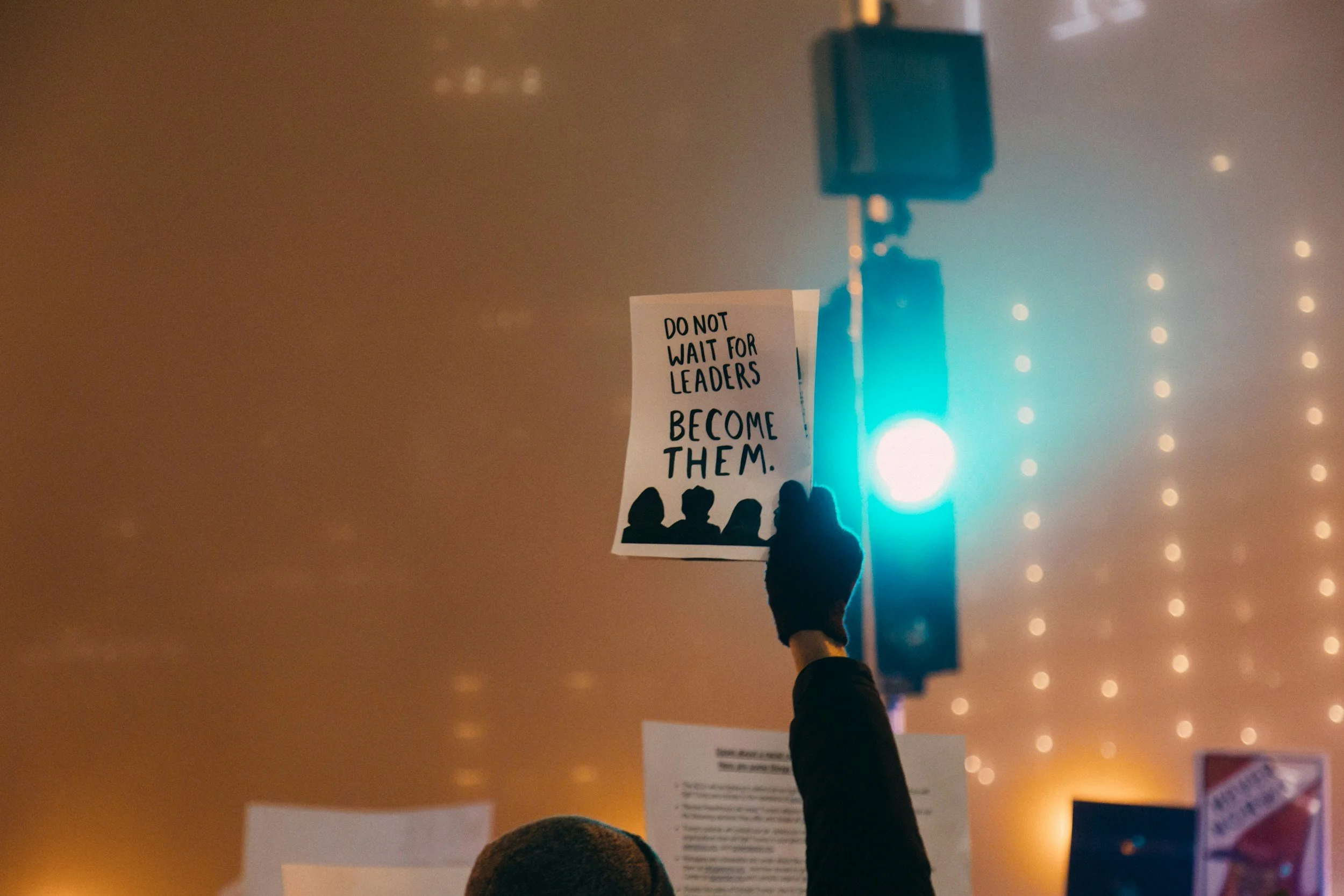
Leadership Is Behavioral, Not Positional
Many organizations treat leadership as something tied to rank or title. In reality, culture is shaped by the behaviors people consistently model every day.
When leaders demonstrate accountability, vulnerability, and responsibility, they create environments where people feel empowered to contribute to solutions and improve the systems around them.
Leadership is not limited to those with formal authority. Informal leaders influence culture every day through the behaviors they model and the relationships they build.
Leadership doesn’t end with rank.
The Leadership Legacy Framework
Leadership that shapes culture often appears through everyday actions rather than formal authority. The Leadership Legacy Framework explores four dimensions of leadership that influence how people work together and how systems improve.
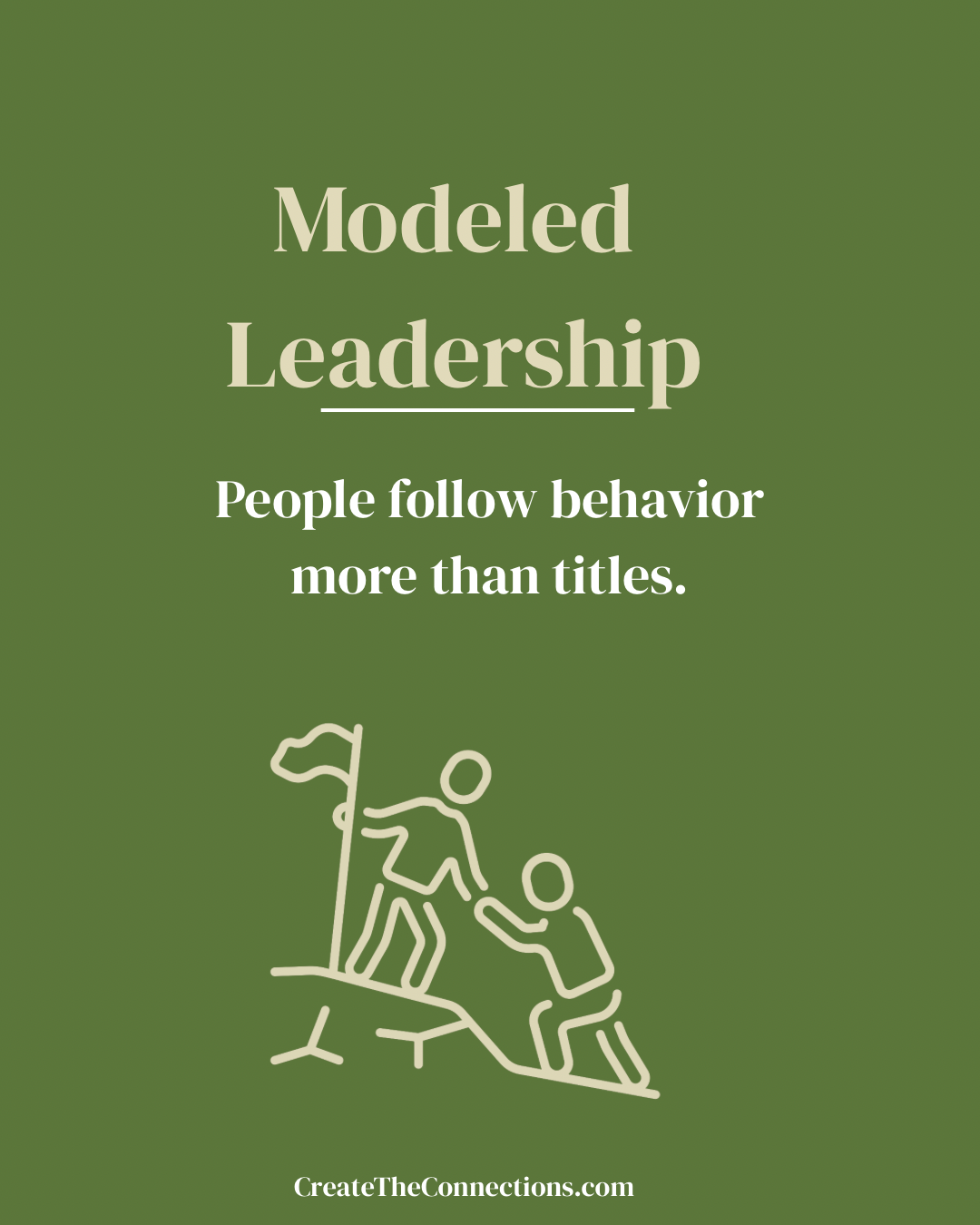
Modeled Leadership
People follow behavior more than titles. What leaders consistently model becomes cultural permission.

Relational Leadership
Trust and connection create influence. Leadership grows through relationships.

Behavioral Leadership
Culture reflects what people consistently do. What leaders reward, tolerate, and model becomes the norm.

Situational Leadership
Strong leaders recognize when to guide, when to ask questions, and when to step back so others can grow.
When these elements come together, leadership becomes shared and systems become stronger.

About the Initiative
Create the Connections is a leadership initiative dedicated to advancing prevention, strengthening resilience, and amplifying organizations working to support veteran and community well-being.
The initiative explores how informal leadership shapes culture and how individuals can take an active role in improving the systems around them.
Meet Chrystall

Chrystall Jenkins is a veteran and prevention strategist focused on strengthening leadership culture in veteran and nonprofit communities.
Her work centers on a simple belief: leadership is behavioral, not positional. When leaders model vulnerability, responsibility, and help-seeking, they redefine strength and create environments where people feel empowered to improve the systems around them.
Drawing on military leadership experience, prevention work, and personal leadership development, Chrystall explores how informal leadership shapes culture and how individuals can contribute to stronger, more resilient communities.
Leadership Insights
Reflections and ideas on leadership culture, prevention, and informal leadership.
This space shares perspectives on how everyday leadership behaviors influence organizations, communities, and personal growth.
Connect
Interested in leadership conversations, collaboration, or speaking opportunities?
Create the Connections exists to strengthen cultures of leadership, resilience, and shared responsibility.
Let’s connect.

About Chrystall Jenkins
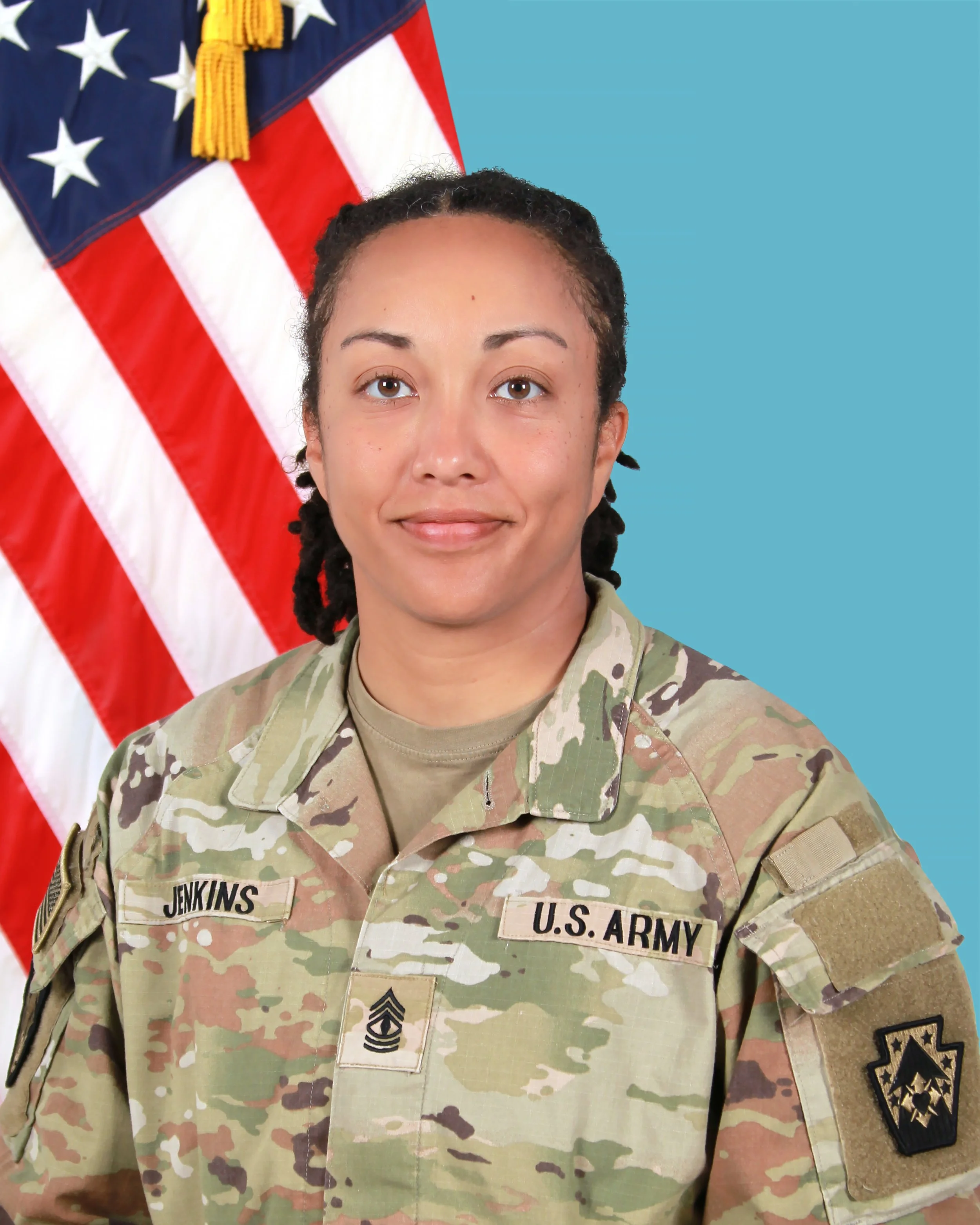
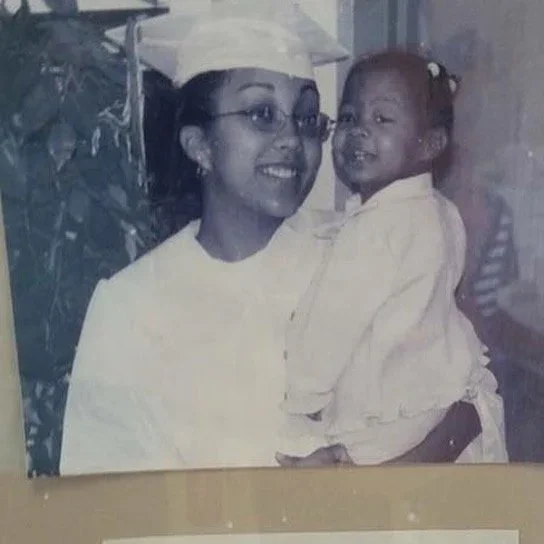
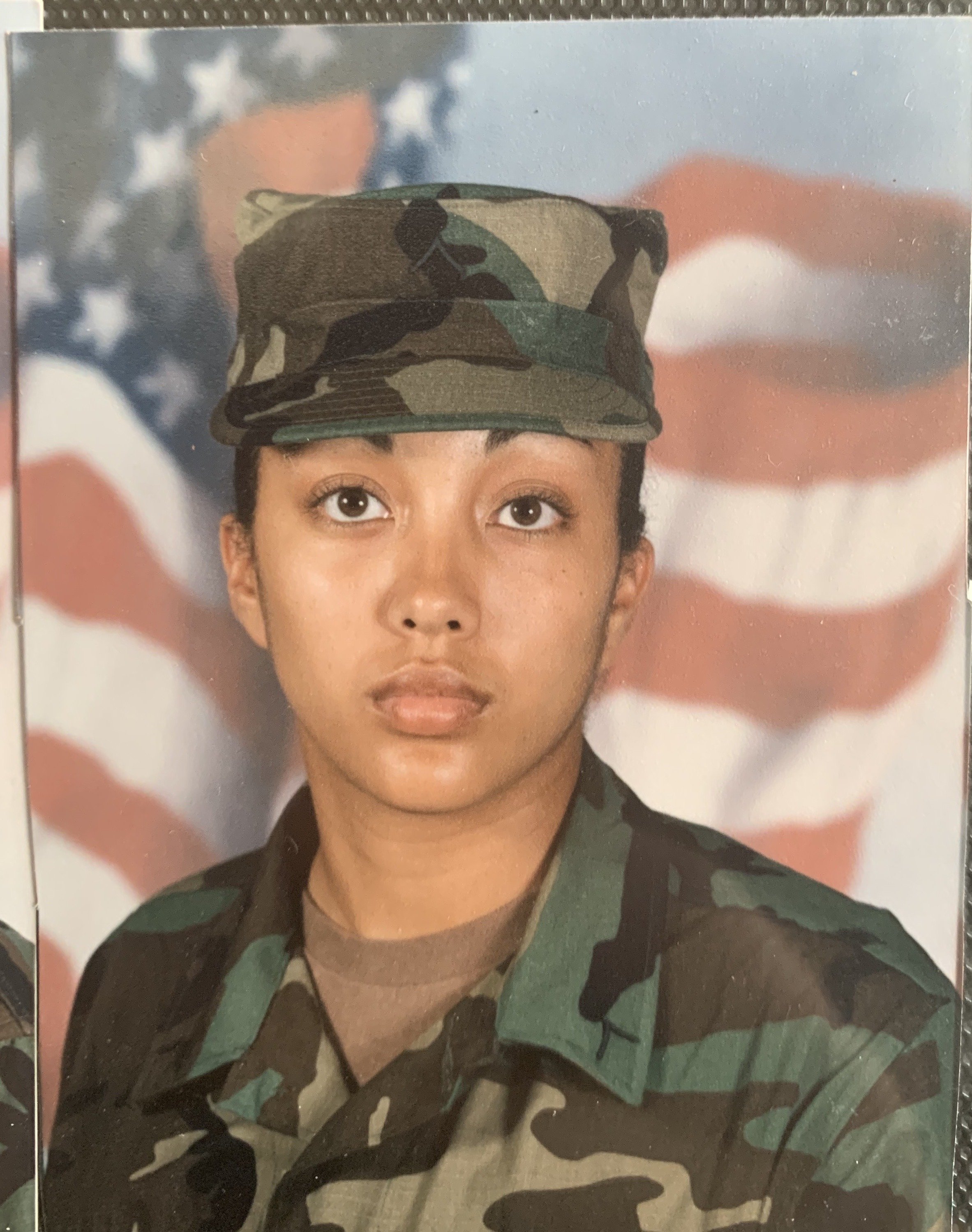
Chrystall Jenkins is a veteran and prevention strategist committed to strengthening leadership cultures in veteran and nonprofit communities.
Her work focuses on how informal leadership shapes culture and how individuals can take an active role in improving the systems around them.
Through Create the Connections, she explores the role of behavioral leadership in advancing prevention, resilience, and shared responsibility across organizations and communities.
Chrystall’s leadership philosophy centers on three core ideas:
Leadership is behavioral, not positional.
Strength includes asking for help.
Leadership builds capacity, not dependency.
These principles guide her work in leadership development, prevention efforts, and community engagement.
Leadership doesn’t end with rank.
Get in Touch
Thank you for your interest in Create the Connections.
For speaking inquiries, collaboration opportunities, or leadership conversations, please use the form below.